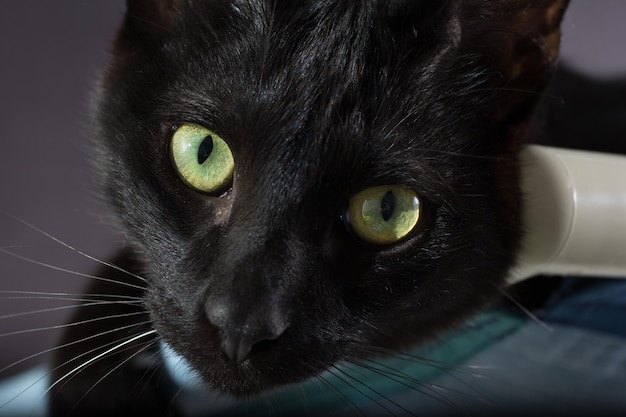
Cat Eye Drops: When Should You Use Them?

Cat Eye Drops: When Should You Use Them?
If your cat is squinting, rubbing at their eyes, or you notice unusual discharge, you might be wondering whether cat eye drops are the right solution. As a caring pet owner, you want to make sure your feline companion is comfortable and healthy. At Companion Animal Clinic, located at 143 Dunn Street in Gilbert, IA, our team of veterinarians understands how concerning eye issues can be for both you and your pet. In this blog, we will explore when cat eye drops are appropriate, common causes of feline eye problems, safe usage tips, and when it’s time to schedule a professional evaluation. Whether you live in Gilbert or the surrounding communities, keep reading for practical advice on keeping your cat’s eyes bright and healthy this March.
Recognizing When Your Cat Might Need Eye Drops
Understanding when your cat could benefit from cat eye drops starts with recognizing the signs of eye discomfort or disease. Cats are masters at hiding pain, so subtle changes can be easy to miss. Common symptoms that may indicate an eye issue include watery eyes, redness, frequent blinking, squinting, or pawing at the face. You might also notice discharge that appears clear, yellow, green, or even brown. Other warning signs are swelling around the eyelids, cloudiness in the eye, or your cat keeping one eye closed more than usual. In some cases, your cat may show changes in behavior, such as withdrawing from family members or avoiding bright lights. When these symptoms appear, it’s important to pay close attention, as they can signal anything from mild irritation to more serious conditions.
What Causes Cat Eye Problems?
Feline eye issues can develop for a variety of reasons, ranging from minor irritations to more complex medical conditions. Common causes include allergies, which may result from environmental triggers like dust, pollen, or cleaning products. Bacterial or viral infections, such as feline herpesvirus or conjunctivitis, are also frequent culprits and can spread between pets. Injuries, such as scratches from another animal or a foreign object getting trapped under the eyelid, might cause immediate discomfort and visible symptoms. Chronic conditions like dry eye, also known as keratoconjunctivitis sicca, can develop over time and require ongoing management. Other serious concerns include glaucoma or corneal ulcers, both of which may cause significant pain and require specialized treatment. At Companion Animal Clinic, our team of veterinary professionals uses diagnostic tools such as the Schirmer Tear Test to check for dry eye, as well as eye stain tests to identify scratches or ulcers on the cornea. Knowing the cause of your cat’s eye problem is essential for choosing the right treatment and preventing further damage.
Cat Eye Drops: Treatment and Safe Use
If your veterinarian recommends cat eye drops, it’s important to use them exactly as directed for your cat’s safety and comfort. Treatment options vary depending on the underlying cause. For example, antibiotic drops are used to treat bacterial infections, while anti-inflammatory drops help reduce swelling and discomfort from allergies or injury. In cases of dry eye, lubricating drops may be prescribed to help maintain moisture on the eye’s surface. Sometimes, antiviral medications are needed to control chronic viral infections. Proper application is key; always wash your hands before giving cat eye drops, and follow your veterinarian’s instructions regarding dosage and frequency. Gently restraining your cat, using a soft towel if needed, can prevent sudden movements that might cause injury. Never use human eye drops or over-the-counter products not specifically prescribed for your pet, as these may contain ingredients that are harmful to cats. If your cat resists treatment or you notice worsening symptoms, such as increased redness, swelling, or changes in vision, let your veterinarian know right away. Advanced cases, like those involving corneal ulcers or glaucoma, may require specialized treatments such as Tonopen (IOP) testing to measure eye pressure or procedures like Diamond Burr Corneal Debridement for persistent ulcers. Our veterinary team at Companion Animal Clinic will guide you through the safest and most effective approach for your cat’s individual needs.
What to Expect at the Veterinary Clinic
When you bring your cat in for an eye exam, our veterinarians will perform a thorough evaluation. The visit may include a visual inspection, assessment of tear production, and tests to check for infections or pressure changes within the eye. Diagnostic tools allow us to pinpoint the cause and recommend targeted cat eye drops or other therapies. Your visit is also an opportunity to discuss your cat’s environment, nutrition, and any behavioral changes, which can all play a part in eye health. We strive to make every appointment as stress-free as possible for both you and your cat, offering clear explanations and compassionate care throughout the process.
Preventing Feline Eye Problems at Home
While not all eye issues can be prevented, there are practical steps you can take to protect your cat’s vision and comfort. Keeping your cat’s living area clean and free of dust can help reduce allergy-related irritation. Regularly washing bedding, using unscented cleaning products, and keeping windows closed during high pollen seasons can also minimize exposure to common irritants. If your cat enjoys exploring the outdoors, supervise their time outside to minimize the risk of injuries from other animals or environmental hazards. Routine wellness exams and prompt attention to changes in your cat’s eyes are essential for early detection and treatment of problems before they become serious. At home, keep a close watch for any signs of discomfort, redness, or discharge, and avoid using any medications not prescribed by your veterinarian.
When to Seek Veterinary Care for Your Cat’s Eyes
Not all eye issues can be treated at home, and delays in seeking professional help can sometimes lead to more serious complications or even permanent vision loss. You should schedule an appointment with our team of veterinarians if your cat’s symptoms persist for more than a day, worsen rapidly, or are accompanied by changes in appetite, activity, or behavior. Seek immediate care if you notice signs such as severe squinting, green or yellow discharge, blood in or around the eye, or if your cat appears to be in significant pain. These symptoms may indicate underlying infections, ulcers, or increased intraocular pressure, all of which require prompt veterinary attention. Our clinic in Gilbert, IA is equipped to diagnose and treat a wide range of feline eye conditions, offering both in-depth examinations and advanced treatments as needed. If your cat requires urgent care, our emergency veterinary care services are available to address sudden or severe eye problems quickly.
Keeping Your Cat’s Eyes Bright: Partner with Companion Animal Clinic
Your cat’s eyes are not only beautiful, but they are also essential for a happy, active life. By learning to recognize the early signs of eye discomfort and understanding when cat eye drops are appropriate, you can help your feline companion stay healthy and comfortable throughout the year. If you have questions about your cat’s eye health, or need guidance on safe and effective treatments, the veterinary professionals at Companion Animal Clinic are here for you. When searching for a trusted vet near me, remember that our team in Gilbert, IA is dedicated to providing caring, personalized service for every pet and family.
For more information about cat eye drops, eye injury management, or to schedule a comprehensive eye exam, call us at (515) 233-6689 or visit our website. We encourage you to reach out at the first sign of eye trouble—early intervention is key to protecting your cat’s vision and wellbeing. Our team of veterinarians is always ready to answer your questions and provide expert care tailored to your pet’s unique needs.
Medical Disclaimer: The information provided in this blog is for educational purposes only and should not be used as a substitute for professional veterinary care. Always consult your veterinarian for specific medical advice regarding your cat’s health.