Bladder Stone Removal in Dogs: What Iowa Pet Owners Need to Know

Bladder Stone Removal in Dogs: What Iowa Pet Owners Need to Know
If your dog has suddenly started having trouble urinating, straining in the yard, or even having accidents in the house, you might feel worried and unsure about what to do next. Bladder stones are a common yet serious condition that can impact your dog’s comfort and wellbeing. At Companion Animal Clinic, located at 143 Dunn Street, Gilbert, IA 50105, our experienced veterinary team has helped many local families navigate the challenges of bladder stone removal in dogs. In this article, we’ll walk you through the signs of bladder stones, what causes them, what treatment options are available , including surgical removal , and how to support your dog’s recovery. Whether you live in Gilbert or one of the surrounding communities, our goal is to help you understand what to expect and how to get your dog back to feeling their best. If you’re looking for more detailed information about the surgery itself, you can also visit our page on bladder stone surgery.
Recognizing the Signs of Bladder Stones in Dogs
Bladder stones can develop quietly, with subtle symptoms at first. Many pet owners first notice their dog asking to go outside more frequently or seeming uncomfortable while trying to urinate. Key symptoms include straining to urinate, producing only small amounts of urine, or sometimes even crying out due to discomfort. Some dogs will have visible blood in their urine, or begin to have accidents indoors despite being well-trained. Other warning signs are licking around the urinary opening, changes in behavior such as restlessness or irritability, and, in severe cases, complete inability to pass urine. This last symptom is an emergency. If you notice your dog is unable to urinate at all, or is repeatedly attempting to urinate without success, seek immediate veterinary attention.
It is also possible for bladder stones to cause recurring urinary tract infections. You might notice your dog is frequently prescribed antibiotics for urinary issues, only for the symptoms to return soon after stopping medication. The recurring nature of these problems can be a clue that something more than a simple infection is going on. If your dog is exhibiting any of these signs, a prompt visit to the veterinary clinic can help pinpoint the cause and prevent serious complications.
What Causes Bladder Stones in Dogs?
Understanding why bladder stones form can help you prevent future problems and recognize risk factors in your own dog. Bladder stones, also known as uroliths or cystic calculi, are hard mineral deposits that build up inside the bladder. The formation of these stones is influenced by a combination of factors, including genetics, diet, urinary tract infections, and certain metabolic conditions. Some breeds , such as Dalmatians, Miniature Schnauzers, and Bulldogs , are more prone to developing specific types of bladder stones due to inherited metabolic differences.
Diet plays a significant role in the development of bladder stones. Diets that are unbalanced or high in minerals like calcium, magnesium, or phosphate can increase the risk, as can feeding only certain types of commercial foods without variety. Inadequate water intake is another contributing factor, since concentrated urine allows minerals to crystallize more easily. For some dogs, chronic urinary tract infections can create an environment that encourages stone formation. The bacteria involved in these infections may alter the chemistry of urine, making it easier for crystals or stones to develop.
It's important to know that while you can try to minimize risk, sometimes bladder stones form despite best efforts. Regular checkups and open communication with your veterinary team can help catch problems early.
Treatment Options for Bladder Stone Removal in Dogs
When it comes to bladder stone removal in dogs, your veterinarian will tailor the treatment plan to your dog’s specific situation. The size, number, and type of stones, as well as your dog’s overall health, all play a role in determining the best approach. In some cases, especially with small stones, a special prescription diet can help dissolve certain types of stones over time. These therapeutic diets work by altering the urine’s pH and mineral content, helping to break down stones gradually.
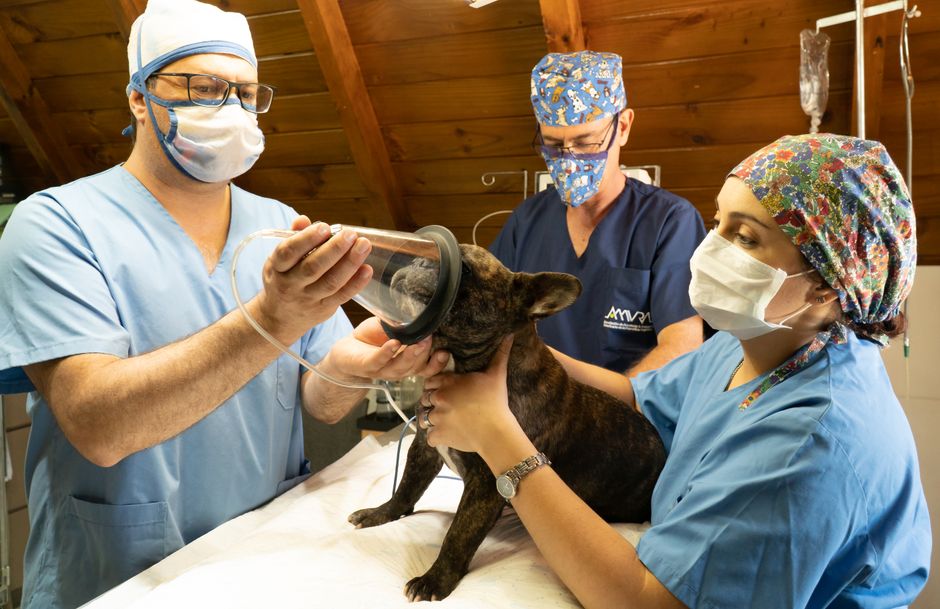
However, not all stones will dissolve with dietary changes alone. Many dogs require a more immediate solution, especially when stones are large, causing severe discomfort, or blocking the flow of urine. In these cases, surgical removal is often recommended. The procedure, called a cystotomy, involves opening the bladder to remove stones directly. This surgery is performed under general anesthesia and is generally well-tolerated by most dogs. Our veterinary surgery team at Companion Animal Clinic has extensive experience with these procedures, and we take every precaution to ensure your dog’s safety and comfort.
After surgery, we typically send removed stones to a laboratory for analysis. This helps determine their exact composition, which can guide long-term prevention strategies. In some instances, minimally invasive techniques or other advanced methods may be considered, but these are less common for most general practice cases. If your dog is experiencing recurring stones, further diagnostic work may be needed to identify underlying metabolic or anatomical issues.
Home Care and Prevention After Bladder Stone Surgery
Caring for your dog after bladder stone removal is an important part of their recovery. Most dogs recover well, but you can expect some restrictions for the first week or two. Your veterinarian will provide specific instructions, but common recommendations include keeping your dog calm and preventing excessive activity until the incision has healed. Monitoring for complications is critical; signs such as swelling, redness, discharge from the surgical site, or difficulty urinating should be reported to your veterinary team promptly.
To help prevent future bladder stones, dietary management is often key. Your veterinarian may recommend a specialized food that controls levels of minerals and helps maintain the correct urine pH. Encouraging your dog to drink more water can help dilute their urine, making it harder for crystals to form. Some owners use pet water fountains or add a little water to food to increase intake. Regular follow-up visits, including urinalysis and possible imaging, will be important to monitor for recurrence and adjust your dog’s care plan as needed.
If your dog has a history of urinary tract infections, working with your veterinarian to address underlying causes is essential. Prompt treatment of any new infections can reduce the risk of stone formation. For more information on managing complex cases, our internal medicine services may offer additional support for dogs with ongoing urinary tract issues.
When Should You Contact Your Veterinarian?
Knowing when to seek veterinary care can mean the difference between a quick recovery and a serious emergency. If you notice your dog is straining to urinate, urinating frequently in small amounts, or showing signs of pain when urinating, it’s time to call your veterinarian. Blood in the urine, sudden accidents in a previously house-trained dog, or recurring urinary tract infections are also warning signs. The most urgent situation is when a dog cannot urinate at all; this can quickly become life-threatening and requires immediate veterinary attention.
At Companion Animal Clinic, we encourage pet owners to trust their instincts. If you feel something isn’t right with your dog’s urination habits or overall comfort, scheduling an appointment right away is always the best course of action. Early intervention helps us manage bladder stones before complications develop, and gives your dog the best chance for a full recovery.
Supporting Your Dog’s Health: The Importance of Ongoing Care
Bladder stones can be a stressful diagnosis, but with the right support and guidance, most dogs return to their happy, energetic selves. Our veterinary team at Companion Animal Clinic is committed to building lasting relationships with pet owners in Gilbert and surrounding communities. We believe in regular checkups, open communication, and a proactive approach to your dog’s health. Preventive care, tailored nutrition, and prompt attention to urinary concerns all play a role in protecting your dog from future problems.
If you are searching for a veterinarian near me who understands the unique needs of dogs with urinary issues, remember that our clinic is here to help. From diagnosis to bladder stone removal in dogs, our team provides compassionate, individualized care every step of the way.
Ready to Help: Contact Companion Animal Clinic Today
If your dog is showing signs of bladder stones or you have questions about bladder stone removal in dogs, don’t wait to get help. Our experienced veterinary professionals at Companion Animal Clinic are ready to answer your questions, provide thorough evaluations, and develop a treatment plan that keeps your dog comfortable and healthy. You can learn more about our bladder stone surgery options or explore our full range of veterinary surgery services online.
To schedule an appointment, call us at (515) 233-6689 or stop by our clinic during business hours. Your dog’s health and happiness mean everything to us. Let us help you navigate this challenge with expert care, clear answers, and a genuine commitment to your family’s peace of mind.
This article is for informational purposes only and should not replace professional veterinary advice. Always consult your veterinarian for personalized recommendations and care.