Cat Eye Boogers Black: Causes and When to Worry
Cat Eye Boogers Black: Causes and When to Worry
If you have noticed your cat developing black eye discharge, sometimes described as “black eye boogers,” it is natural to be concerned about what this means for their health. Eye discharge in cats can range from mild and harmless to a sign of an underlying issue that needs veterinary attention. Here at Companion Animal Clinic, located on 143 Dunn Street in Gilbert, IA, our veterinarians are dedicated to helping pet owners in Gilbert and the surrounding communities understand and care for their cats’ eye health. In this blog, we will explore what causes black eye discharge in cats, how to identify when it is a problem, and when it is time to schedule an appointment with a veterinary professional. If you are searching for answers about cat eye boogers black, you are in the right place. We will also go over what you can do at home and how our veterinary team can help keep your feline friend’s eyes clear and comfortable.
Recognizing Black Eye Discharge in Cats
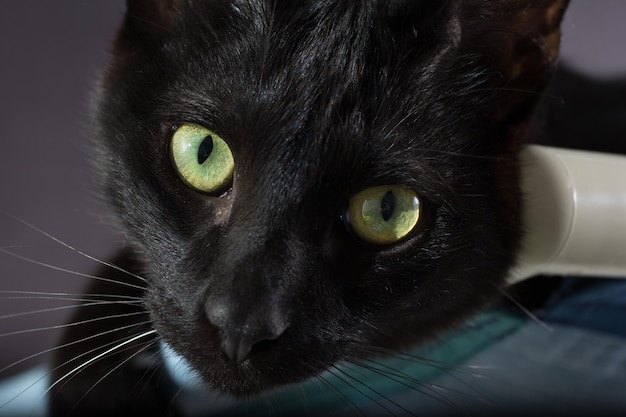
Seeing any type of discharge around your cat’s eyes can be unsettling, but understanding what is normal and what is not is the first step in keeping your cat healthy. Black eye boogers in cats often appear as dark, crusty material that collects in the inner corners of the eye. This may be accompanied by other symptoms, such as redness, swelling, or squinting. Some cats naturally develop a small amount of dark discharge, especially after sleeping, and this can be a normal process as the body clears away dust and debris. However, excessive or persistent black discharge, especially when paired with other changes in your cat’s eyes or behavior, can indicate an underlying problem that requires attention from a veterinarian.
Key signs to watch for include a noticeable increase in the amount of black discharge, a change in the consistency or color of the discharge, or discharge that is accompanied by symptoms like redness, swelling, pawing at the eyes, or holding the eye shut. Cats may also exhibit increased blinking, sensitivity to light, or changes in their usual activity level. If you notice your cat rubbing its face more often or if the eye discharge smells unpleasant, this can be another indication that a visit to the vet is warranted. Keeping an eye on these changes can help you determine when your cat’s eye boogers are a normal part of their grooming routine and when they are a sign that something more serious may be going on.
What Causes Black Eye Boogers in Cats?
Understanding the possible causes of cat eye boogers black can help you make informed decisions about your pet’s care. In many cases, black or dark brown eye discharge is the result of dried tears mixing with dust, natural pigments, or debris from the environment. The tear film, which helps keep the surface of the eye clean and moist, contains proteins and pigments that can darken as they dry, leading to the formation of dark crusts in the corner of the eye.
However, several underlying conditions can cause an increase in eye discharge or change its color and consistency. Common causes include mild irritations such as dust or allergies, which can make the eyes water more than usual. Some cats are more prone to tear staining due to the shape of their faces or the structure of their tear ducts, which may not drain tears efficiently.
Infections are another possible cause. Bacterial or viral conjunctivitis can lead to increased tear production and changes in discharge color. Fungal infections, although less common, can also be a factor. Cats suffering from upper respiratory infections may show eye discharge along with sneezing or nasal congestion. Foreign bodies, such as a piece of grass or a small seed, can also irritate the eye and cause dark discharge as the body tries to flush out the irritant.
More serious causes include chronic conditions like entropion (where the eyelid rolls inward), blocked tear ducts, or corneal ulcers. In rare cases, tumors or growths near the eye can also cause abnormal discharge. Because so many different factors can contribute to cat eye boogers black, it is important to monitor your cat’s overall health and behavior closely.
How Veterinarians Diagnose and Treat Cat Eye Discharge
When you bring your cat to Companion Animal Clinic for concerns about black eye boogers, our veterinarians will begin with a thorough examination of your cat’s eyes and overall health. We will ask about the onset and duration of symptoms, any changes in your cat’s environment, and whether your cat has experienced similar issues in the past.
Diagnostic steps may include an eye examination using specialized equipment to look for signs of infection, injury, or abnormal anatomy. Depending on what we find, our veterinary team may recommend additional tests, such as a Schirmer tear test to measure tear production or an eye stain test to check for scratches or ulcers on the cornea. If we suspect increased intraocular pressure, a Tonopen IOP test can help rule out glaucoma or other pressure-related issues.
Treatment options depend on the underlying cause. For mild irritations or allergies, we may recommend gentle cleaning and possibly topical lubricants to help keep the eyes comfortable. If an infection is present, antibiotic or antiviral eye drops may be prescribed. For structural problems, such as blocked tear ducts or entropion, surgical correction may be necessary. In cases where a foreign body is found, careful removal under local anesthesia may be required. Our veterinarians are also equipped to provide more advanced procedures for corneal injuries, such as Diamond Burr Corneal Debridement, when indicated.
Throughout the treatment process, we will keep you informed of your cat’s progress and provide guidance on home care and follow-up appointments. Our goal is to ensure your cat’s comfort and prevent recurrence of symptoms.
Preventing Cat Eye Discharge and Home Care Tips
While some causes of cat eye boogers black cannot be prevented, there are steps you can take at home to reduce your cat’s risk and keep their eyes healthy. Regularly checking your cat’s eyes for signs of discharge, redness, or swelling is a simple but effective way to catch problems early. Gently wiping away minor eye discharge with a soft, damp cloth can help prevent buildup and irritation. Always use a separate cloth for each eye to avoid spreading potential infections.
Maintaining a clean living environment is important. Reducing dust, using unscented litter, and keeping your cat’s bedding clean can help minimize exposure to irritants. If your cat goes outdoors, inspect their eyes after they return inside, especially during windy or dusty conditions.
Feeding a high-quality diet and ensuring your cat is up-to-date on vaccinations and parasite prevention also support overall eye health. If you notice seasonal increases in eye discharge, especially during spring when pollen counts are high in Gilbert and surrounding communities, keeping windows closed and wiping your cat’s fur after outdoor adventures can help reduce allergens.
It is important not to use human eye medications or over-the-counter products without consulting a veterinarian, as these can cause harm. If your cat’s eye discharge worsens or is accompanied by other symptoms, prompt veterinary attention is the best course of action.
When to Seek Veterinary Care for Cat Eye Boogers Black
Knowing when to schedule an appointment with your veterinarian is crucial in protecting your cat’s vision and comfort. You should contact Companion Animal Clinic if your cat’s eye discharge changes in color or amount, becomes persistent, or is accompanied by redness, swelling, or discomfort. Additional warning signs include squinting, pawing at the eyes, a foul odor, or changes in behavior such as hiding or loss of appetite.
If your cat experiences sudden swelling, bleeding, or cannot open one or both eyes, it is important to seek immediate veterinary care. Cats with underlying health conditions, such as diabetes or chronic respiratory issues, may be at higher risk for complications and should be evaluated promptly if eye problems arise.
Our veterinarians can perform a comprehensive exam, diagnose the underlying issue, and recommend the most effective treatment plan. Early intervention often leads to better outcomes and can help prevent long-term complications.
If you are unsure whether your cat’s symptoms require veterinary care, our team is happy to answer your questions and guide you on the next steps. We recommend scheduling regular wellness exams to monitor your cat’s eye health, particularly as they age or if they have a history of eye issues.
Keeping Your Cat’s Eyes Healthy in Gilbert, IA and Beyond
Black eye discharge in cats can be a source of worry, but with the right information and timely veterinary care, you can help your feline companion enjoy clear, comfortable eyes. By staying alert to changes in your cat’s eye health and seeking guidance from experienced professionals, you are giving your pet the best possible chance for a healthy future.
If you have noticed cat eye boogers black or are concerned about any changes in your cat’s eyes, we encourage you to schedule an appointment with our veterinary team at Companion Animal Clinic in Gilbert, IA. Our caring group of veterinarians is here to answer your questions, provide thorough diagnostics, and develop a tailored treatment plan for your pet. Whether you are searching for a veterinarian near me or need expert advice on cat eye health, we are honored to be your trusted resource in Gilbert and the surrounding communities.
For more information or to book a visit, call us at (515) 233-6689 or explore our services online. If you are interested in learning more about specialized eye diagnostics, our team offers Schirmer tear testing, eye stain evaluations, and advanced Tonopen IOP testing for comprehensive care. Your cat’s comfort and health are always our top priority.
Medical Disclaimer: This article is intended for informational purposes only and does not substitute for professional veterinary advice. Always consult with your veterinarian for any concerns regarding your pet’s health.