Heat Stress in Iowa Livestock: Summer Prevention Tips
Heat Stress in Iowa Livestock: Summer Prevention Tips
As the Iowa summer brings soaring temperatures and high humidity, livestock producers across Gilbert and surrounding communities face a critical seasonal challenge: heat stress in cattle, sheep, and goats. Managing heat stress is not only vital for your animals’ health and comfort but also for protecting productivity and preventing losses during the hottest months. At Companion Animal Clinic, located at 143 Dunn Street, Gilbert, IA 50105, our veterinary team understands the unique demands of Iowa’s climate and is committed to helping producers safeguard their herds through practical, science-based summer care strategies. In this guide, we will discuss how to recognize early signs of heat stress in your livestock, explore why these issues occur, and outline effective management and prevention methods to keep your animals safe and thriving.
Identifying Heat Stress in Cattle, Sheep, and Goats
Recognizing heat stress early is essential to prevent serious health complications or losses in your herd or flock. Livestock experiencing heat stress may display a range of warning signs. In cattle, symptoms include increased respiration rate, open-mouth breathing, drooling, reduced feed intake, and sometimes seeking shade or water more frequently than usual. Sheep and goats may show similar signs, such as rapid panting, open-mouth breathing, restlessness, and reluctance to move. Additionally, you may notice that animals crowd around water sources or huddle in whatever shade is available. In severe cases, affected livestock might stagger, collapse, or exhibit signs of confusion, which are indications of a true emergency requiring immediate veterinary attention.
It is important to note that certain animals are at higher risk of heat stress. These include those with dark coats, animals with high body condition scores, lactating females, and individuals with pre-existing respiratory or health issues. Heat stress can quickly progress from mild discomfort to life-threatening situations, so early detection and prompt action are critical.
Why Heat Stress Happens: Understanding the Risks
The underlying causes of heat stress in livestock are closely tied to both environmental and animal-related factors. Iowa’s summer climate is marked by high temperatures and humidity, which challenge livestock’s natural ability to dissipate heat. Cattle, sheep, and goats primarily lose heat through respiration and limited sweating. When the air is already warm and humid, their natural cooling mechanisms become less effective, and body temperatures can rise dangerously fast.
Environmental factors that increase risk include lack of shade, inadequate water supply, overcrowding, and poor ventilation in barns or holding areas. Animals confined to small spaces or left on open pastures without shelter are particularly vulnerable. Additionally, the metabolic heat generated by digesting high-fiber summer forage or by lactating animals increases the risk, especially during peak afternoon hours.
Producers need to be aware that certain management practices, such as working or transporting livestock during the heat of the day, can further increase the risk of heat stress. Planning routine procedures like sorting, vaccinations, or transport for cooler times of day is an important part of prevention.
Managing and Treating Heat Stress in Livestock
When heat stress is suspected, immediate intervention can make the difference between recovery and loss. The first step is to move affected animals to a shaded, well-ventilated area and provide unlimited access to clean, cool water. Spraying cattle with water or setting up sprinklers in holding areas can aid cooling; just be sure animals can move away from wet areas to avoid hoof problems. For sheep and goats, ensure that water troughs are accessible to all, and consider using fans or misters in enclosed barns.
If an animal collapses or shows severe distress, call your veterinary team as soon as possible. Veterinary intervention may involve intravenous fluids, electrolyte supplementation, and careful monitoring of vital signs. At Companion Animal Clinic, our veterinarians are equipped to assess and manage livestock emergencies, supporting local producers with both in-clinic and on-farm care options for urgent situations.
It is important to remember that heat stress can lead to complications like pneumonia, mastitis, or digestive upsets, which may require additional medical support. Our internal medicine services can help evaluate ongoing health concerns and support recovery in affected animals.
Preventing Heat Stress: Practical Strategies for Iowa Producers
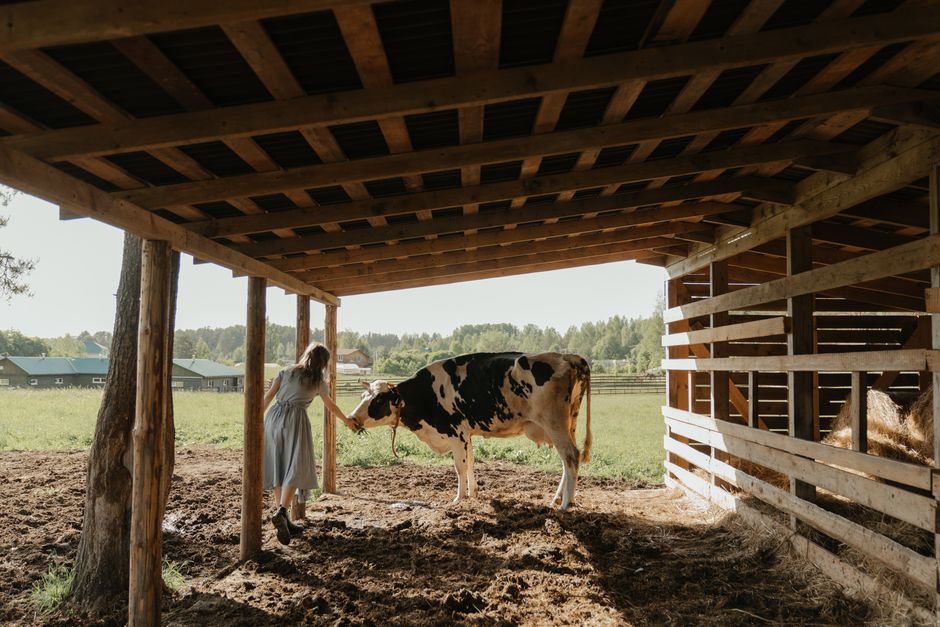
Prevention is truly the best medicine when it comes to heat stress. The core strategies for protecting your herd or flock focus on environmental management and proactive care. Providing ample shade, whether from trees, constructed shelters, or shade cloths, is essential. Rotate animals to pastures with natural shade or install temporary structures in open fields. Clean, cool water should be available at all times; check waterers and troughs frequently during heat waves to ensure they are functioning and not fouled.
Adjusting handling routines can further reduce risk. Plan any necessary procedures for early morning or late evening, when temperatures are lower. Avoid transporting livestock during peak heat periods, and reduce stocking densities in pens or holding areas to minimize heat buildup.
Proper nutrition also plays a role in heat stress prevention. Avoid overfeeding high-fiber rations during the hottest days, as digestion generates additional heat. For lactating animals, ensure adequate mineral and electrolyte supplementation to offset losses from increased panting and sweating.
Monitoring weather forecasts and using heat index charts can help you plan ahead and take action before heat stress becomes a risk. Keeping detailed records of your herd’s behavior during past heat waves can also guide future management and help you identify at-risk individuals quickly.
When to Call Your Veterinarian: Professional Support for Heat Stress
Despite the best prevention efforts, heat stress can still occur, and knowing when to seek veterinary support is crucial for your operation’s success. You should contact your veterinary team immediately if you observe animals collapsing, unable to rise, showing extreme respiratory distress, or displaying neurological signs like confusion or staggering. Rapid intervention can save lives and minimize longer-term losses.
For less severe but ongoing cases—such as animals showing reduced feed intake, persistent lethargy, or milk production drops—it is wise to schedule a herd evaluation. Our veterinarians at Companion Animal Clinic can assess your herd’s health status, recommend supportive treatments, and help you develop a customized summer management plan to reduce future risk.
Producers with questions about complex or recurring problems related to summer heat, such as poor fertility, increased disease rates, or unexplained losses, may benefit from a more comprehensive review of herd health practices. Our internal medicine services are designed to support producers with in-depth diagnostics and tailored management advice.
Keeping Iowa Livestock Safe: Your Partners in Herd Health
Caring for livestock during Iowa’s intense summer heat requires vigilance, planning, and a commitment to animal welfare. By recognizing the early signs of heat stress, understanding what puts your operation at risk, and implementing practical prevention strategies, you can help your herd or flock stay healthy and productive even on the hottest days.
If you have concerns about heat stress in your livestock, or if you would like to review your summer management plan, our veterinary team at Companion Animal Clinic is here to help. Producers in Gilbert and surrounding communities can schedule an appointment by calling (515) 233-6689, or visit us at 143 Dunn Street, Gilbert, IA 50105. Our veterinarians are dedicated to supporting your operation with science-based, compassionate care—whether you need urgent assistance or ongoing herd health guidance.
When searching for a veterinarian near me who understands the unique challenges of livestock care in Iowa, remember that Companion Animal Clinic combines decades of experience with a genuine commitment to your animals’ wellbeing. Reach out today to protect your herd this summer and ensure a productive, healthy season for your operation.
Disclaimer: This blog is for informational purposes only and does not replace professional veterinary advice. If your animals are showing signs of severe heat stress, contact your veterinarian immediately. For additional guidance on livestock health or to discuss your specific concerns, our team is always here to assist.