Schirmer Tear Test: Why Eye Screenings Matter for Iowa Pets
Schirmer Tear Test: Why Eye Screenings Matter for Iowa Pets
Every pet owner wants to see their furry friend happy and comfortable, which makes it all the more concerning when your dog or cat starts squinting, pawing at their face, or showing signs of eye discomfort. Eye issues can develop quietly, but a simple screening called the Schirmer tear test can make all the difference in detecting problems before they affect your pet’s daily life. At Companion Animal Clinic, conveniently located at 143 Dunn Street, Gilbert, IA 50105, we know how important it is to protect your pet’s vision—especially in the changing Iowa climate, where dry air or allergies can increase risk for ocular issues.
In this guide, you’ll discover why the Schirmer tear test is a vital part of pet eye health in Gilbert and surrounding communities. We’ll explain what the test is, how it helps detect dry eye disease, and what steps you can take to keep your pet’s eyes healthy for years to come. You’ll also learn when to schedule an appointment with our veterinary team and how regular eye screenings fit into a proactive approach to pet care. If you’re searching for “veterinarian near me” or want to know more about quality pet diagnostics in Gilbert, this article is for you. For those wanting a deeper understanding of this essential screening, our Schirmer tear test service page offers additional details.
Recognizing Eye Discomfort: Signs Your Pet May Need a Schirmer Tear Test
Changes in your pet’s eyes are often one of the first indicators that something isn’t quite right. Dogs and cats cannot tell you when their eyes feel dry or irritated, but they do show certain behaviors or physical signs that owners can spot with careful observation. Key symptoms include excessive blinking, redness around the eyes, and squinting. Some pets may rub their face against furniture or their own paws, while others develop a thick, yellowish or greenish discharge that crusts around the eyelids. In some cases, you might notice your pet shying away from bright lights or becoming less enthusiastic about playtime due to eye discomfort.
Other warning signs to watch for are cloudiness in the eye, visible swelling, and a general dullness in your pet’s usually bright expression. If your pet begins bumping into objects or misjudges steps, these could be signs that vision is already affected. Especially in the dry winter months or during allergy season in Gilbert, the risk of eye problems increases. Early detection through a Schirmer tear test can help prevent more serious complications and provide your pet with much-needed relief.
Understanding Dry Eye in Pets: Why Does It Happen?
Dry eye, known medically as keratoconjunctivitis sicca (KCS), occurs when the eyes do not produce enough tears to keep the surface moist and healthy. Tear production is essential because it not only lubricates the eye but also helps wash away dust, allergens, and bacteria. When this natural defense breaks down, pets can develop painful inflammation, ulcers, or even irreversible vision loss.
Several factors contribute to dry eye in dogs and cats. These include immune system disorders, certain medications, genetics, and infections. Some breeds, like Shih Tzus, Bulldogs, and Cocker Spaniels, are particularly prone to this problem, but any pet can be affected—especially as they age. Environmental factors also play a role; dry Iowa winters or dusty conditions around Gilbert can exacerbate symptoms, making regular eye screenings even more important for local pets.
The Schirmer tear test is a straightforward, non-invasive method that measures the amount of tear production in your pet’s eyes. Conducting this test during routine pet examinations in Gilbert allows our veterinary professionals to spot issues early and tailor treatment plans before problems worsen. For a more comprehensive look at how we diagnose eye conditions at Companion Animal Clinic, visit our eye stain diagnostic service page.
What Happens During a Schirmer Tear Test and How Is Dry Eye Treated?
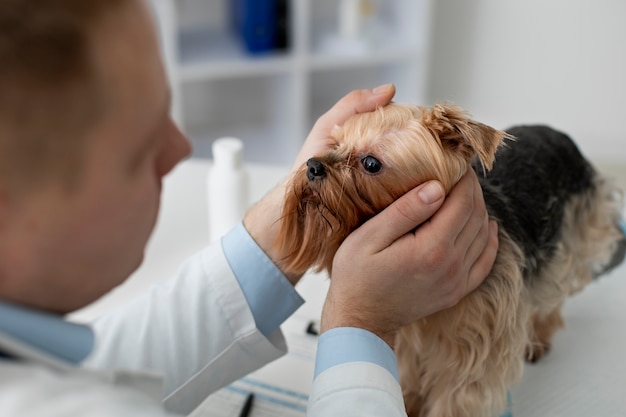
When you schedule a pet eye health screening with our veterinary team, the Schirmer tear test is performed right in our exam room. The process involves gently placing a thin, soft strip of special paper inside the lower eyelid. Your pet may feel a mild tickle, but the test is quick and comfortable, typically lasting about a minute per eye. During this time, the strip absorbs tears, allowing us to measure tear production accurately.
If results show that your pet’s eyes are not producing enough tears, our veterinarians will discuss a tailored treatment plan. Management approaches often involve daily application of lubricating eye drops or ointments designed specifically for pets. In some cases, medications to stimulate tear production or control inflammation may be recommended. Severe cases might require advanced therapies or minor surgical procedures to protect the eye’s surface. Throughout the process, follow-up appointments help us monitor progress and adjust treatment as needed.
In addition to the Schirmer tear test, we may suggest other diagnostic tools such as intraocular pressure testing or more targeted treatments depending on your pet’s unique needs. Our commitment to comprehensive care ensures your pet receives the highest standard of veterinary diagnostics in Gilbert, tailored to their specific situation.
Preventing Eye Problems at Home: Simple Steps for Long-Term Pet Eye Health
While some eye conditions cannot be entirely prevented, there are several practical ways pet owners can help support their animal’s eye health at home. Regularly check your pet’s eyes for signs of redness, discharge, or swelling, and gently wipe away any debris with a clean, damp cloth. Avoid using human eye drops or over-the-counter treatments not prescribed by your veterinarian, as these can be harmful.
Keeping your pet’s face clean, especially around the eyes, reduces the risk of infection. During high-pollen seasons in Iowa, try to limit outdoor activities if your pet appears sensitive, and consider rinsing their face with pet-safe solutions after walks. Ensure your pet receives a balanced diet rich in essential fatty acids, as nutrition plays a role in maintaining healthy tear production. Scheduling regular pet eye health check-ups and discussing any changes you notice with your veterinary team is the best way to catch problems early and keep your pet’s vision sharp.
When Should You Schedule a Veterinary Eye Screening in Gilbert?
Knowing when to seek professional help is crucial for maintaining your pet’s eye health. If your pet displays persistent redness, squinting, or excessive discharge, it is time to schedule an appointment with your veterinarian. Sudden changes in vision, such as bumping into objects, or signs of pain like constant pawing at the face, also warrant immediate attention. Chronic eye problems that do not improve with basic cleaning or seem to worsen should never be ignored.
At Companion Animal Clinic, we recommend including the Schirmer tear test as part of your pet’s annual wellness exam, especially for breeds at higher risk or older pets. This proactive approach is especially important for those searching for “pet diagnostics near me” or “veterinary services near me,” as early detection can prevent more costly and complicated treatments down the road. If you are unsure whether your pet’s symptoms require urgent care, our veterinary professionals are always available to answer your questions and guide you toward the best next steps.
For more information on advanced eye procedures that may be recommended in certain cases, explore our diamond burr corneal debridement service.
Protecting Your Pet’s Vision: Take the Next Step with Companion Animal Clinic
Your pet’s comfort and quality of life depend on healthy eyes and clear vision. Regular screenings, including the Schirmer tear test, are the foundation of effective pet eye health care in Gilbert and surrounding communities. By staying proactive and scheduling routine eye exams, you help ensure that dryness, discomfort, and more serious eye conditions are caught early, keeping your companion active and happy for years to come.
If you have noticed any signs of eye discomfort in your dog or cat, or if you simply want peace of mind, we encourage you to schedule an appointment with our dedicated veterinary team. At Companion Animal Clinic, we take pride in being the “vet near me” that local pet owners trust for thorough, compassionate care and advanced pet diagnostics in Gilbert. Reach out today by calling (515) 233-6689 or visiting us at 143 Dunn Street, Gilbert, IA 50105 to discuss your pet’s eye health needs or to learn more about our Schirmer tear test service.
Remember, early intervention makes all the difference. Let our experienced veterinarians partner with you in safeguarding your pet’s vision and wellbeing for all the adventures ahead.
This article is intended for informational purposes only and should not replace professional veterinary advice. If your pet is experiencing severe discomfort or sudden changes in vision, please contact your veterinarian immediately.