Cold Weather Care for Pets: Gilbert IA November Guide
Cold Weather Care for Pets: Gilbert IA November Guide
As November’s crisp winds settle over Gilbert, IA, pet owners often wonder how best to protect their furry companions from the challenges of colder weather. At Companion Animal Clinic, located at 143 Dunn Street, Gilbert, IA 50105, our team of veterinarians understands how Iowa’s seasonal changes can impact your dog or cat’s comfort, health, and safety. Whether you’re concerned about chilly paws, dry skin, or the risks of ice and snow, preparing for November’s temperature drops is an essential part of responsible pet ownership. In this guide, we’ll explore practical cold weather pet care tips tailored for the unique climate in Gilbert and surrounding communities. You’ll learn how to spot cold-related issues, prevent common seasonal health problems, and know when it’s time to schedule an appointment with a veterinarian near me for expert support. If you’re looking for reliable and compassionate pet vaccinations in Gilbert or guidance on keeping your pets safe as the seasons shift, our veterinary professionals are here to help every step of the way.
Recognizing Cold Weather Concerns in Your Pet
Signs Your Pet May Be Struggling in the Cold
As temperatures drop in late autumn, dogs and cats can experience a range of discomforts and health risks. Key symptoms that your pet might be struggling with the cold include shivering, reluctance to go outside, and seeking out warm places to hide. Additional warning signs to watch for are dry or cracked paw pads, flaking skin, or increased stiffness, especially in senior pets. Cats may show subtle signs such as curling up tighter than usual or withdrawing from family activities, while dogs might whine at the door or seem anxious during walks. In more severe cases, symptoms of hypothermia—such as lethargy, weakness, or a slow heartbeat—can develop if your pet is exposed to extreme cold for prolonged periods. Recognizing these signs early on is vital to maintaining Gilbert IA pet health during November and beyond.
Behavioral Changes and Their Meaning
Some pets may become less active as the days grow shorter and colder, preferring to rest more often. While a modest decrease in activity level is normal, sudden or dramatic behavioral changes can indicate discomfort or illness caused by the cold. For example, an older dog who begins limping after being outside, or a cat who stops grooming due to dry skin, may need additional care or medical attention. Monitoring these subtle cues helps ensure your pet remains comfortable, and allows you to address minor issues before they develop into more serious health concerns.
Why Cold Weather Impacts Gilbert IA Pet Health
Understanding the Risks of Chilly Temperatures
Pets in Gilbert and surrounding Iowa communities face several challenges during the colder months. Short-haired and small breeds, as well as senior animals and pets with chronic illnesses, are especially vulnerable to lower temperatures. The region’s typical November climate often brings wet snow and freezing rain, both of which can increase the risk of hypothermia, frostbite, and joint discomfort. Other factors contributing to cold weather pet care concerns include exposure to de-icing chemicals, which can irritate paw pads, and the ingestion of antifreeze, a common but dangerous winter toxin.
How the Local Climate Shapes Pet Health Needs
Gilbert’s seasonal weather means that pets may be exposed to cold air, icy sidewalks, and damp conditions for extended periods. Many owners notice that their pets’ coats become drier, and skin problems such as flaking or itching become more common. Additionally, indoor heating can lead to lower humidity levels, further exacerbating skin and respiratory issues. For pets who spend significant time outdoors, the autumn transition is a signal to adjust routines and add extra precautions to safeguard their health.
Managing Cold Weather Risks: Professional and Home Strategies
Veterinary Support for Cold Weather Pet Care in Gilbert
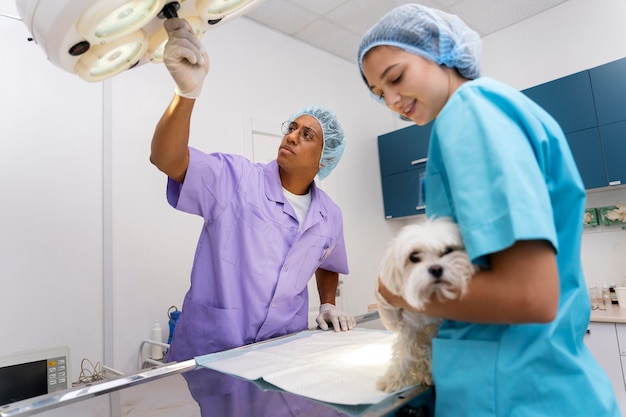
The veterinary professionals at Companion Animal Clinic offer comprehensive guidance and medical services to address seasonal health concerns. During your visit, we can assess your pet for early signs of cold-related discomfort, such as joint stiffness or skin irritation, and recommend appropriate treatments. Treatment approaches often involve supportive care for arthritis, medicated shampoos to combat dry skin, and advice on adjusting activity levels during colder months. For pets with ongoing health conditions, our internal medicine services in Gilbert allow us to manage complex needs that may be exacerbated by the season, ensuring that your dog or cat receives individualized care.
Home Care Steps for Cold Weather Comfort
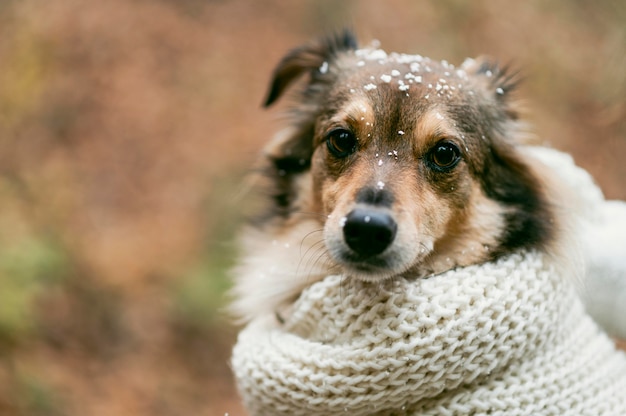
At home, you can take several steps to protect your pet from the chill. Providing a warm, draft-free sleeping area is essential; this could mean moving beds away from doors and windows or offering cozy blankets. For dogs, limiting outdoor time during especially cold or wet weather can prevent hypothermia and keep paws healthy. After each walk, carefully dry your dog’s feet and belly to remove moisture, salt, or ice-melting chemicals. Applying pet-safe paw balm can help prevent cracking and irritation. For cats, ensure they have access to warm hiding spots and encourage activity with indoor play, which helps maintain healthy joints and weight.
Nutrition also plays a vital role in cold weather pet care. Some pets may require slightly more food to maintain body heat, while others—especially those less active in winter—may need their intake adjusted to prevent weight gain. Always consult your veterinarian before making significant changes to your pet’s diet. Additionally, access to fresh, unfrozen water is critical, as dehydration can still occur in cooler months.
If you plan to travel or face a situation where your home will be colder than usual, our medical boarding and cat/dog boarding services provide a safe, temperature-controlled environment for pets who need extra support during winter.
Preventing Cold Weather Hazards: Tips for Gilbert Pet Owners
Daily Precautions for a Safe November
Prevention is key to maintaining your pet’s wellbeing during Iowa’s coldest months. Daily routines should include checking your pet’s paws for cracks, cuts, or signs of chemical exposure. Brushing your pet regularly helps distribute natural oils and minimize dry skin. For pets with arthritis or age-related stiffness, gentle exercise indoors can keep joints limber. Using humidifiers in your home may also alleviate dry skin and respiratory irritation caused by indoor heating.
When heading outdoors, consider pet-safe outerwear for dogs with thin coats, and always supervise your pets to prevent accidental ingestion of toxic substances like antifreeze. Reflective collars or leashes improve safety during early morning or evening walks when daylight is limited. For cats, keeping them indoors during extreme cold helps prevent frostbite and reduces the risk of getting lost or injured.
The Role of Preventive Veterinary Care
Routine checkups are especially important during the autumn and winter months. Your veterinarian can provide guidance on seasonal vaccinations, parasite prevention, and wellness strategies tailored to your pet’s age, breed, and health status. For older animals, specialized senior pet care supports their unique needs, helping manage chronic conditions that may worsen in cold weather and ensuring a comfortable transition into winter. Staying up to date with preventive care is the best way to avoid cold weather complications and maintain optimal Gilbert IA pet health.
When to Seek Veterinary Care for Cold Weather Issues
Recognizing When Professional Help Is Needed
Not every cold snap requires a trip to the veterinarian, but certain situations should prompt immediate action. If your pet is shivering uncontrollably, seems lethargic, or has difficulty breathing, these may be signs of hypothermia or another serious condition. Persistent limping, refusal to eat, or crying out in pain after time spent outdoors should also be addressed promptly. For injuries caused by ice, exposure to chemicals, or suspected ingestion of antifreeze, contact a veterinarian near me as soon as possible. At Companion Animal Clinic, our veterinary team is equipped to diagnose and treat cold weather injuries and illnesses, ensuring your pet receives compassionate, effective care.
Scheduling an Appointment with Your Local Veterinary Clinic
If you notice ongoing discomfort, behavioral changes, or symptoms that do not resolve with basic home care, scheduling a visit to our clinic is the best step. Our team of veterinarians can perform thorough examinations, offer tailored recommendations, and provide both preventive and therapeutic options to keep your pets healthy through the winter. For acute needs, such as injuries or sudden illness, we encourage you to reach out promptly for support.
Closing: Winter Wellness Starts with Trusted Local Care
As the temperatures dip in Gilbert and surrounding communities, keeping your dog or cat comfortable and healthy becomes a top priority. By recognizing early signs of cold-related discomfort, understanding the unique risks posed by the local climate, and taking preventive steps at home, you can help your pet thrive during Iowa’s November chill. The veterinary professionals at Companion Animal Clinic are committed to supporting you with trusted guidance, comprehensive veterinary services near me, and a warm, welcoming environment for every member of your furry family.
If you have concerns about your pet’s health this season, need advice on cold weather pet care in Gilbert, or want to schedule an appointment for a wellness check or pet immunizations, we invite you to contact our clinic at (515) 233-6689 or visit us at 143 Dunn Street, Gilbert, IA 50105. Supporting Gilbert IA pet health is our passion, and we are here to provide the quality care you expect from the best vet near me. Your pet’s winter comfort and wellbeing matter to us—let’s work together to keep them safe, warm, and happy all season long.
This blog is intended for informational purposes and does not replace professional veterinary care. Always consult with your veterinarian for specific medical concerns or emergencies. For more information on cold weather safety for pets, visit the American Veterinary Medical Association’s winter care resources.